
Wondering about chimney safety and cost? Stainless chimney liner improves efficiency, protects your home, and ensures long-lasting safe heating performance. Chimney liner install and fitting a chimney liner help maintain proper airflow, reduce smoke issues, and keep your fireplace working efficiently year-round.
Stainless chimney liner installation cost explained clearly in 2026
Fast Facts:
- Professional installation average: ~$2,500
- High-end installation (premium materials / large chimneys): Up to ~$10,000
- DIY installation (materials only): $750 – $3,000
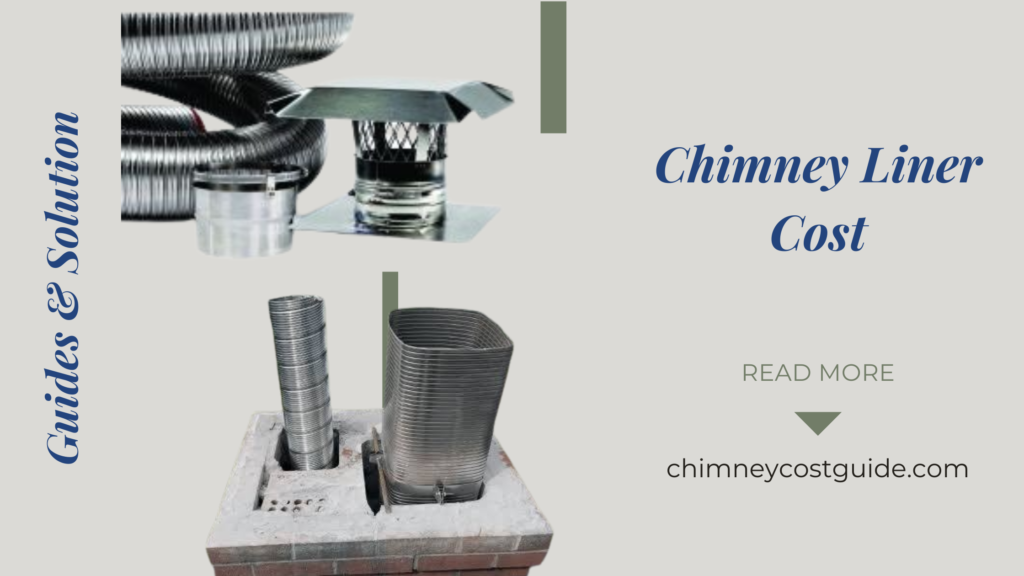
Cost factors:
Type of liner used (metal, clay, or ceramic)
Appliance served:
- Wood stove, furnace, or boiler → cheaper
- Traditional open fireplace → more expensive
Stainless steel chimney liners cost, fitting & installation breakdown
| Type | Material Only | Installation & Labor |
| Wood stove | $500–$1,000 | $1,000–$2,000 |
| furnace | $500–$1,000 | $400 – $1,250 |
| boiler(Aluminum) | $500 – $2,500 | $500 to $2,000 |
| Traditional open fireplace | $1,500 to over $20,000 | $670 to $2,940 |
Key chimney liners installation cost factors explained in detail:
Additional costs may include chimney insulation and labor for chimney relining
Several factors Impact the liner cost:
- Chimney size: Chimney liners cost depends on its length, size, and required heat output (kW), with larger chimneys needing bigger liners and costing more
- The liner’s material and type: Chimney liner costs vary by material and type, with clay, metal, and cast-in-place options priced differently based on durability.
- The shape of your chimney: Chimney shape affects liner cost, as curved chimneys are more expensive to line than straight, conventional chimneys, which are easier and cheaper to install
- The fireplace liner’s location: Fireplace liner’s costs vary by location due to differences in local pricing and labor rates, making your area an important factor in the overall cost
Typically, the cost of a chimney liner installed ranges from $1,000 to $5,000, depending on these factors.
How chimney liners installation is done step by step guide here:
Installing a chimney liner is not a DIY project for most homeowners. A professional installer will:
- Inspect the chimney and flue to check for damage, blockages, cracks, and overall condition before starting chimney liner installation work safely.
- Remove the old liner if necessary to ensure a clean, safe chimney space and allow proper fitting of the new chimney liner without any obstruction.
- Choose the right type of liner for your chimney based on size, fuel type, and safety requirements to ensure efficient performance and long-lasting durability.
- Install and secure the new liner carefully through the chimney flue, ensuring proper alignment, tight fitting, and safe sealing for optimal airflow and performance.
- Add insulation if needed to improve efficiency, helping retain heat, reduce condensation, and enhance overall performance and safety of the chimney liner system.
Once all installation steps are completed, the chimney system is carefully checked to ensure everything is properly fitted and secure. A final inspection helps confirm that the liner is correctly positioned, sealed, and functioning as intended. This ensures better airflow, improved heating efficiency, and long-term safety for your home while reducing the risk of smoke or gas leakage.
FAQs About Install Chimney Liner – Everything You Need to Know
1. How Much Does It Cost To Have A Chimney Lined?
Professional chimney liner installation averages around $2,500, can reach $10,000 for certain types, while DIY installation typically costs $750–$3,000 for materials.
2. Can I install a chimney stove liner myself?
It’s not recommended. Professional installation ensures safety, compliance, and longevity.
3. How long does a chimney stainless steel & clay liner last?
A stainless steel liner can last 15–25 years, while clay liners may last 20–30 years with proper maintenance.
4. Which Chimney Liner is Worth the Cost
The best value chimney liner is a stainless steel flexible liner, offering wide approval, a lifetime transferable warranty, easy installation, and long-term cost savings.
5. Are there disadvantages to stainless steel flexible liner?
Stainless steel flexible liners are durable but costly, need professional installation, can bend or sag, may collect creosote in bends, and thin liners can deform under high heat
Conclusion
Understanding the prices to install a stainless steel chimney liner is crucial for homeowners looking to maintain a safe and efficient fireplace. Whether you choose a stainless steel, flexible, or clay liner, knowing the liner charges, installation cost, and potential chimney repair needs will help you budget and plan effectively.